


Originally Posted by zalbard

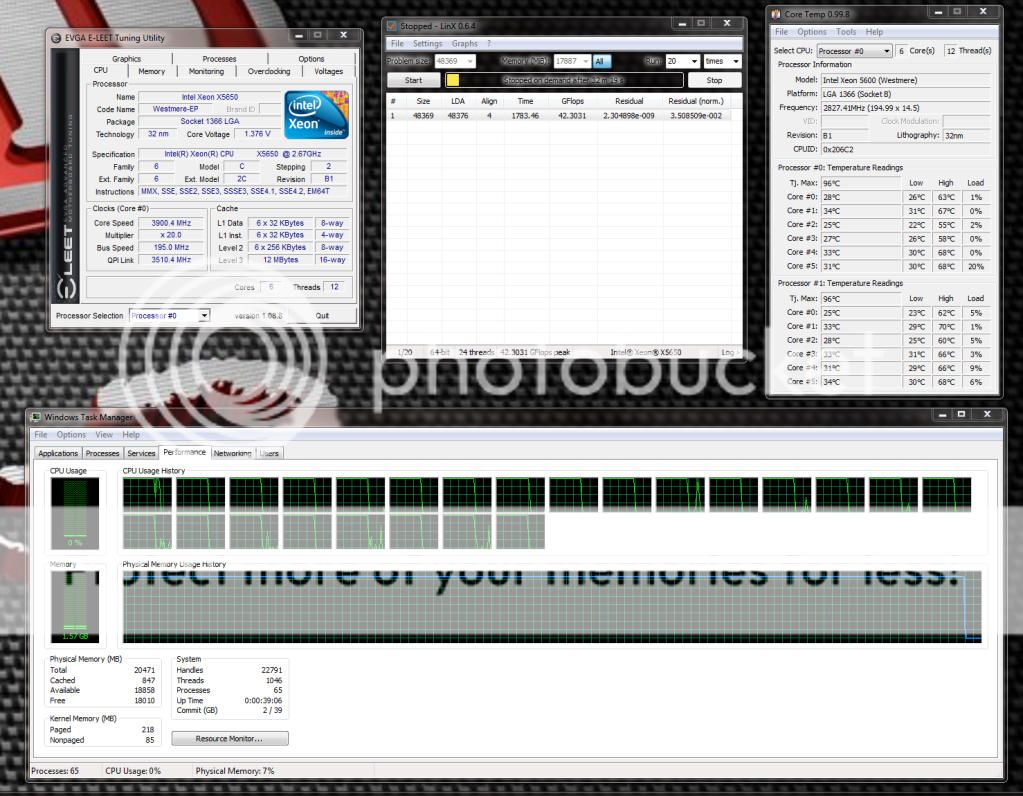
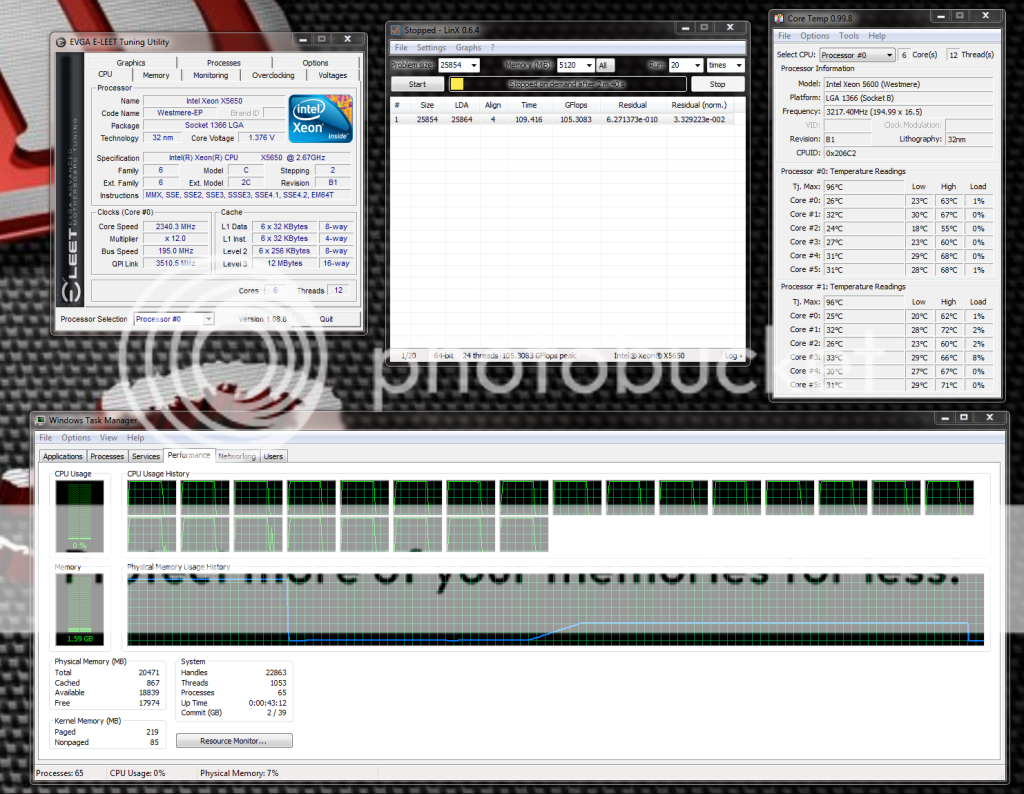
I made 2 more runs, with numa disabled using the largest problem size and maxed memory amount, and a second run using a more standard problem size and about 5 GB of memory and the results were surprising to say the least:
This is the large problem size with maxed memory usage and the overall performance fell another 50% with numa disabled compared to my last run with it enabled, so i thought that numa is a requirement for best performance and should not be disabled in the bios at all....Until i did the smaller run that is:
The last time i ran this at those exact settings, i had about aa 90 GF/sec result, and with only numa being disabled, it shot up to 106 GF/sec, so it seems that at least for dual socket systems and when using large memory amounts,Numa is mandatory, but when using LinX with smaller problem sizes and much less memory, disabling numa actually improves performance overall...Weird, but there you have it.
The thing that i noticed when running the large problem/maxed memory size amount though, was that the CPU's were running at lower temperatures for most of the 30 minute run(think 15~20*C lower here), and only occasionally having peaks every few minutes, while running the smaller problem size and less memory, the temperatures were consistently higher for the duration of that entire pass as there's obviously less memory accessing going on...
It gives the impression like the CPU's are spending most of the time in that large problem/max memory scenario accessing memory, rather than spending it on the actual problem calculations(where the CPU temperatures also peak), hence the much lower GF values overall....Just something curious i noticed.


 Reply With Quote


Bookmarks