MMM
Results 1 to 25 of 29

Thread: [XF] GeIL DDR3-1066 CL6

Hybrid View

  1. #1
    Xtreme Member
    Join Date
    Sep 2006
    Location
    The Netherlands
    Posts
    374
    Quote Originally Posted by NinjaZX6R View Post

    You have to admit though, PC8500 at 6-6-6 isn't exactly ground breaking
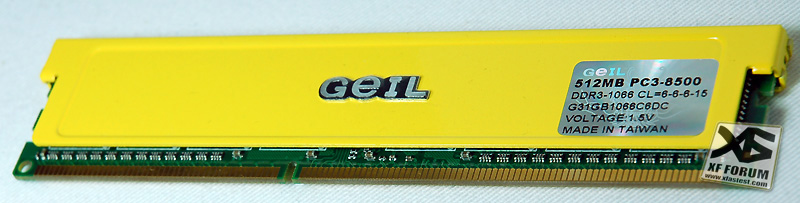
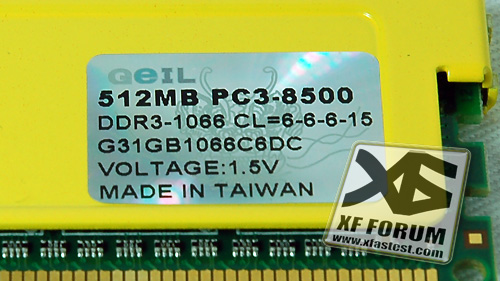
    For early DDR3 it's pretty good. Standard DDR3 with 6-6-6 timings runs at 400MHz (PC3-6400).
    Don't confuse this with DDR2. You should compare it like this:

    PC2-6400 (400MHz) with a CAS of 5 (like early DDR2)
    1 clockcycle equals 1/400,000,000th of a second or 2.5ns (nanoseconds)
    A total latency of 5 × 2.5 = 12.5ns

    PC3-8500 (533MHz) with a CAS of 6
    1 clockcycle equals 1/533,000,000th of a second or 1.875ns
    A total latency of 6 × 1.875 = 11.25ns

    As you can see the DDR3 module has a lower latency. But that's not even the most important benefit. The real benefit lies in the bandwidth.
    DDR3 will scale all the way up to PC3-12800 (12.8GB/s) and even further. The highest DDR2 ever managed was 11.7GB/s and that's DDR2 at 732MHz (PC2-11712).
    Last edited by Rone; 04-24-2007 at 03:46 PM.

  2. #2
    Xtreme Member
    Join Date
    Feb 2005
    Posts
    226
    Quote Originally Posted by r00n View Post
    For early DDR3 it's pretty good. Standard DDR3 with 6-6-6 timings runs at 400MHz (PC3-6400).
    Don't confuse this with DDR2. You should compare it like this:

    PC2-6400 (400MHz) with a CAS of 5 (like early DDR2)
    1 clockcyle equals 1/400,000,000th of a second or 2.5ns (nanoseconds)
    A total latency of 5 × 2.5 = 12.5ns

    PC3-8500 (533MHz) with a CAS of 6
    1 clockcycle equals 1/533,000,000th of a second or 1.875ns
    A total latency of 6 × 1.875 = 11.25ns

    As you can see the DDR3 module has a lower latency. But that's not even the most important benefit. The real benefit lies in the bandwidth.
    DDR3 will scale all the way up to PC3-12800 (12.8GB/s) and even further. The highest DDR2 ever managed was 11.7GB/s and that's DDR2 at 732MHz (PC2-11712).
    Thanks r00n, that actually clears up a lot. I really appreciate your time/insight. I guess that in time, DDR3 will REALLY start to show its benefits.

    -Collin-
    I am like an alcoholic, but with motherboards.

  3. #3
    Xtreme Addict
    Join Date
    Jul 2005
    Location
    ATX
    Posts
    1,004
    Quote Originally Posted by r00n View Post
    For early DDR3 it's pretty good. Standard DDR3 with 6-6-6 timings runs at 400MHz (PC3-6400).
    Don't confuse this with DDR2. You should compare it like this:

    PC2-6400 (400MHz) with a CAS of 5 (like early DDR2)
    1 clockcycle equals 1/400,000,000th of a second or 2.5ns (nanoseconds)
    A total latency of 5 × 2.5 = 12.5ns

    PC3-8500 (533MHz) with a CAS of 6
    1 clockcycle equals 1/533,000,000th of a second or 1.875ns
    A total latency of 6 × 1.875 = 11.25ns

    As you can see the DDR3 module has a lower latency. But that's not even the most important benefit. The real benefit lies in the bandwidth.
    DDR3 will scale all the way up to PC3-12800 (12.8GB/s) and even further. The highest DDR2 ever managed was 11.7GB/s and that's DDR2 at 732MHz (PC2-11712).
    I did NOT know that! I'm sure a few others don't either. thanks for the quick explanation yo

  4. #4
    Xtreme Addict
    Join Date
    Jun 2005
    Location
    NYC
    Posts
    1,943
    Quote Originally Posted by r00n View Post
    For early DDR3 it's pretty good. Standard DDR3 with 6-6-6 timings runs at 400MHz (PC3-6400).
    Don't confuse this with DDR2. You should compare it like this:

    PC2-6400 (400MHz) with a CAS of 5 (like early DDR2)
    1 clockcycle equals 1/400,000,000th of a second or 2.5ns (nanoseconds)
    A total latency of 5 × 2.5 = 12.5ns

    PC3-8500 (533MHz) with a CAS of 6
    1 clockcycle equals 1/533,000,000th of a second or 1.875ns
    A total latency of 6 × 1.875 = 11.25ns

    As you can see the DDR3 module has a lower latency. But that's not even the most important benefit. The real benefit lies in the bandwidth.
    DDR3 will scale all the way up to PC3-12800 (12.8GB/s) and even further. The highest DDR2 ever managed was 11.7GB/s and that's DDR2 at 732MHz (PC2-11712).
    maybe 13354mb/s was the highest
    http://www.xtremesystems.org/forums/...ighlight=oskar
    Amd Nvidia/Ati -3dmark06 scorebord revisted

    asus L1N64-ws or /b depending on bios chip
    4x1gig 8500 gkill bpk
    2x opteron 8224 @ 3.8ghz
    http://www.xtremesystems.org/forums/...&postcount=236
    vga= 8800gt
    winxp pro

    custom chiller -31 water
    2x dtek fuzions
    bix3-with x3panaflo hi output
    antec 850 quattro

    heat under msimax abitmax and dfimax

  5. #5
    Xtreme Member
    Join Date
    Sep 2006
    Location
    The Netherlands
    Posts
    374
    Quote Originally Posted by msimax View Post
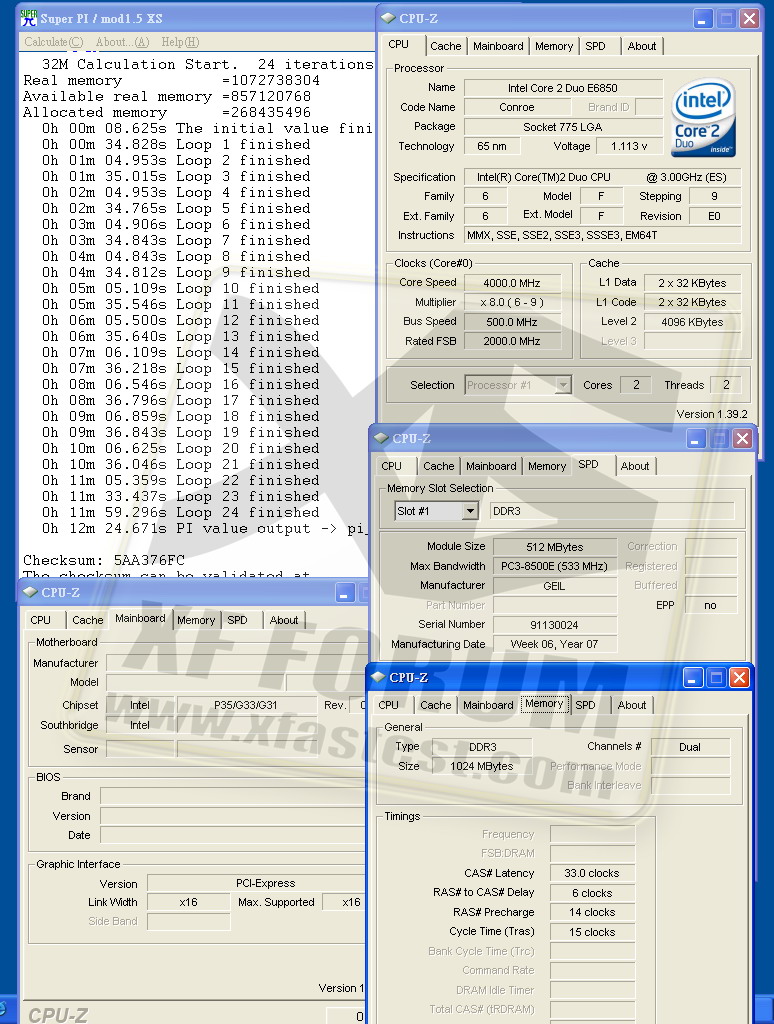
    The above was done with four modules. The advantages of Dual Channel and Bank Interleave are clearly visible.
    I was talking about a single DDR2 and DDR3 memory module, without Dual Channel and Bank Interleave.
    Last edited by Rone; 04-25-2007 at 03:28 AM.

Bookmarks

Bookmarks

Posting Permissions

  • You may not post new threads
  • You may not post replies
  • You may not post attachments
  • You may not edit your posts
  •